2–3 days
Stage diagnosis
We review runway, live metrics and the next milestone, for example a seed round in 6 months, and agree the output that milestone needs.

We are a startup UI/UX design agency for founders and early product teams. Startups need design that moves fast without sacrificing the research discipline that determines product-market fit.





Get a free consultation
Free consultation · reply within one business day
In shortStartups UI UX design matches design work to the funding stage of a company: validation at pre-seed, a minimum viable product (MVP) at seed, investor-ready quality at Series A and design debt cleanup at Series B. Our startup user interface (UI) and user experience (UX) engagements run 4–8 weeks, cost $25,000–$60,000, and need 2–4 founder hours per week.
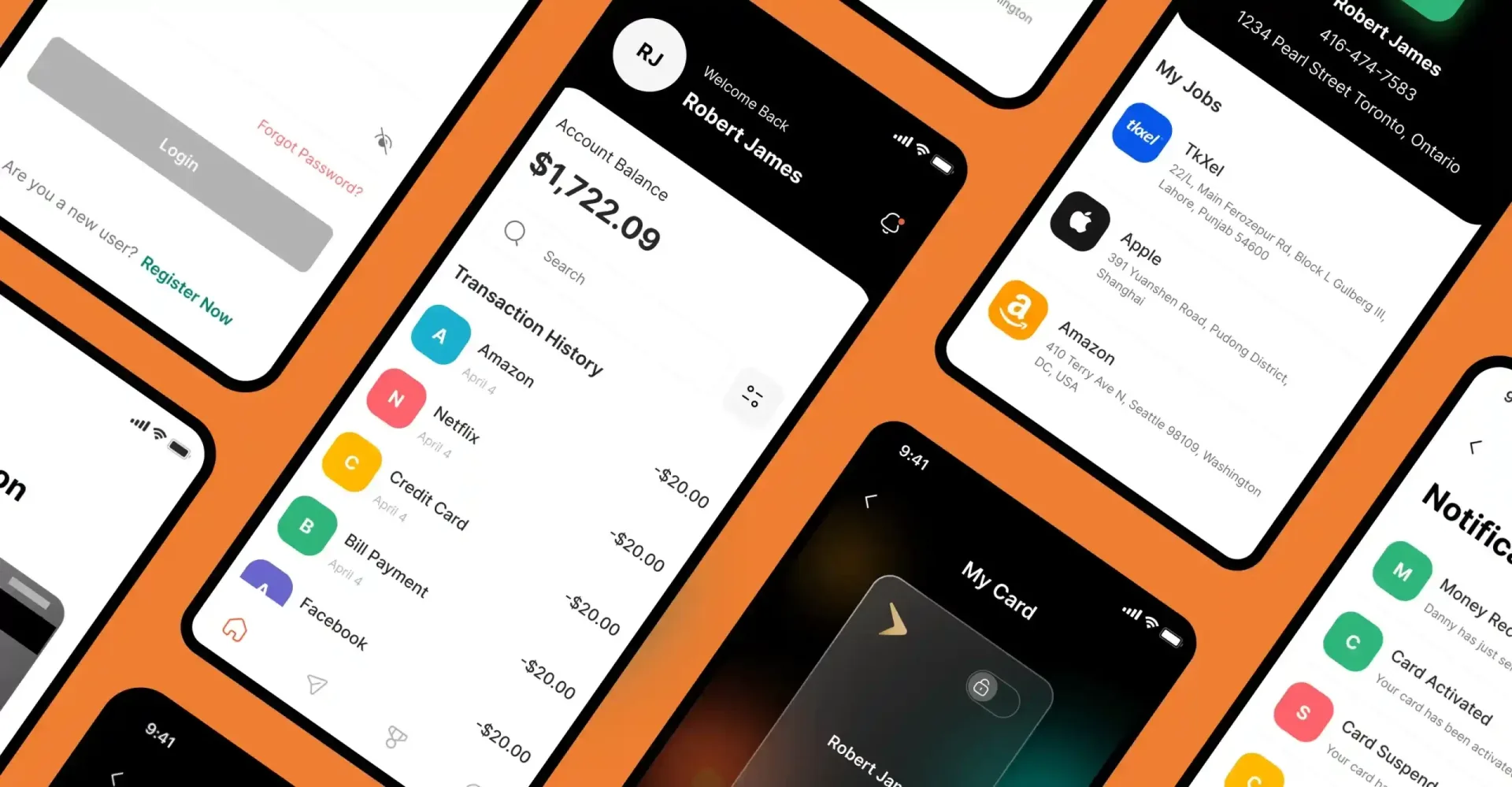 Anyday
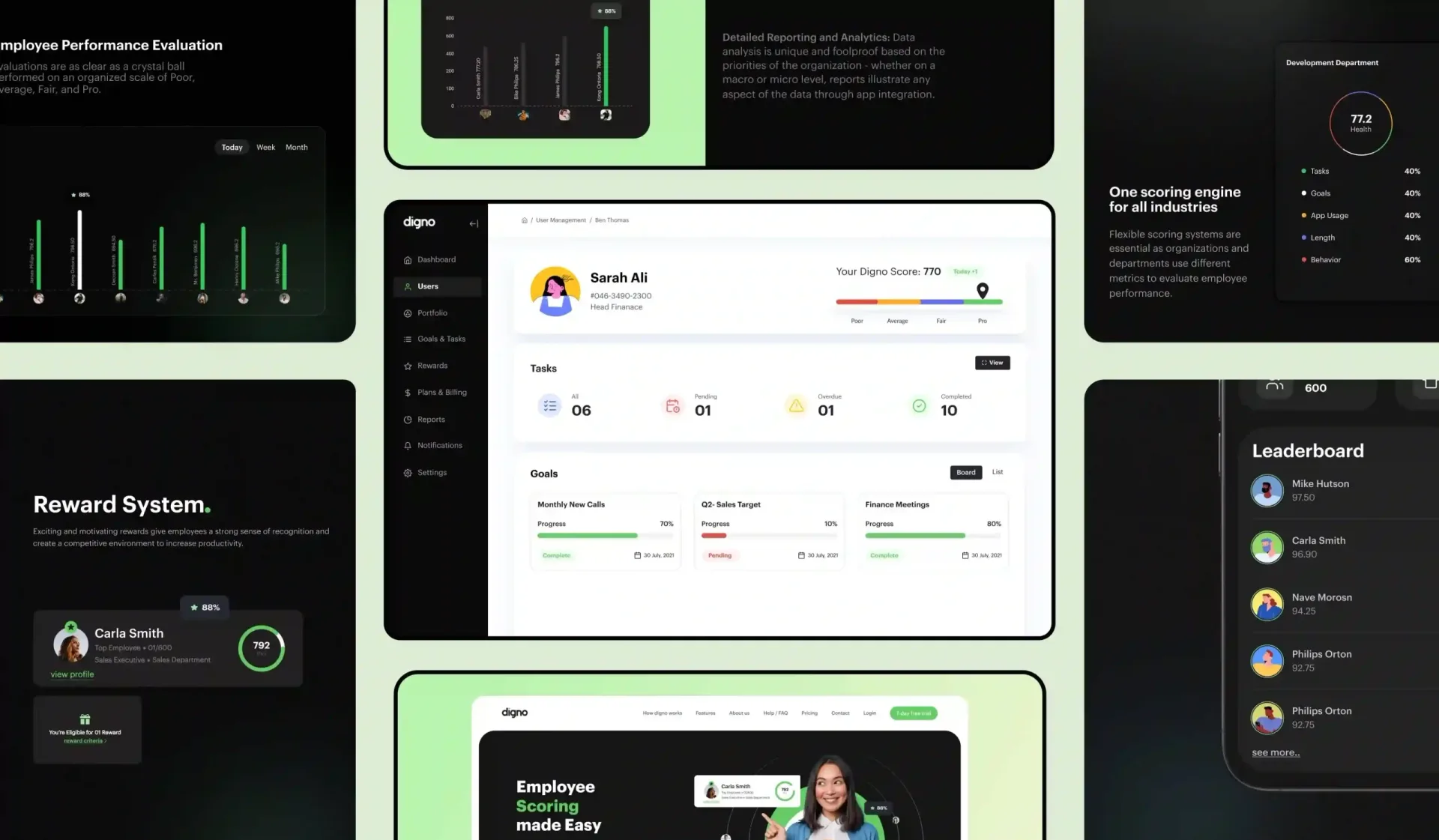 Digno
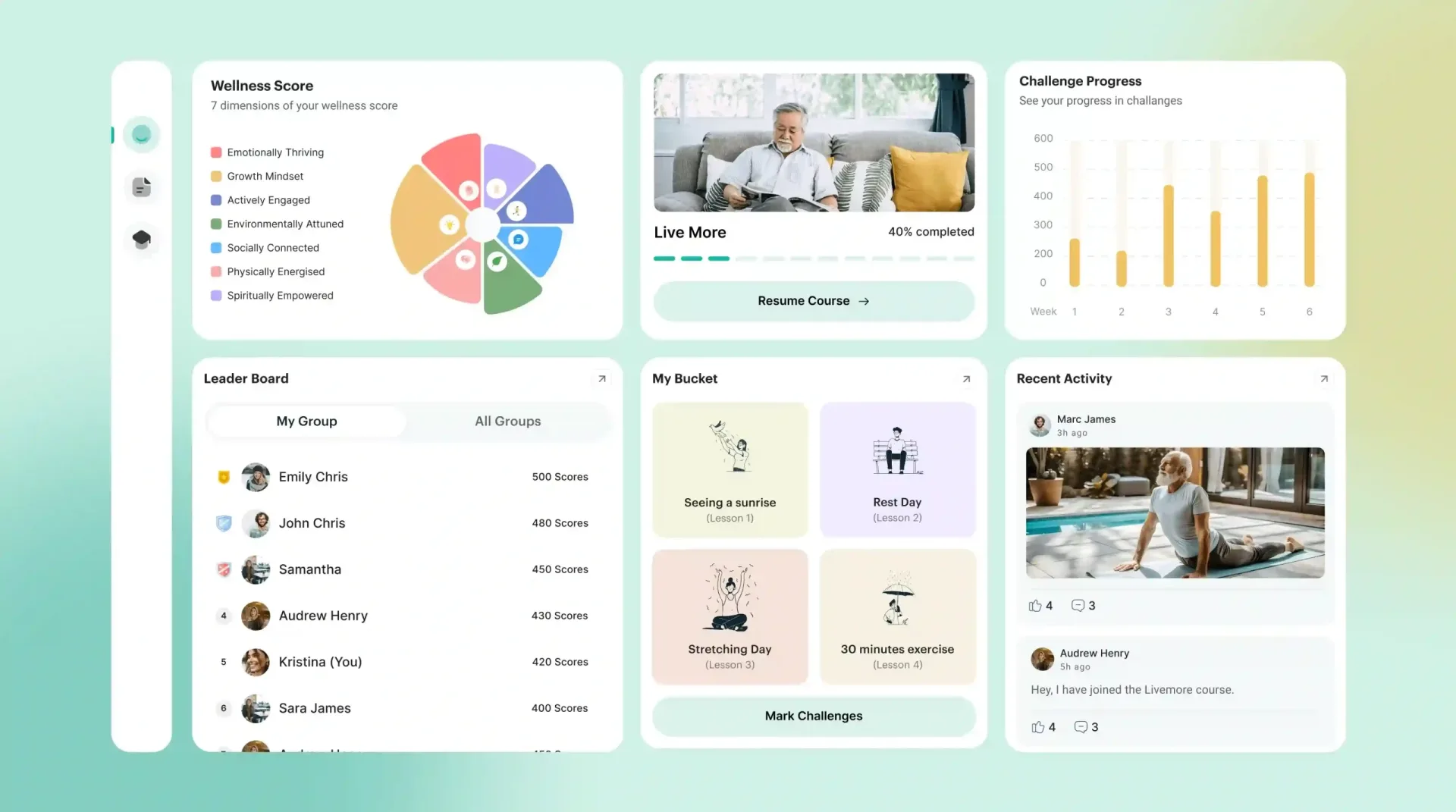 Elia Wellness
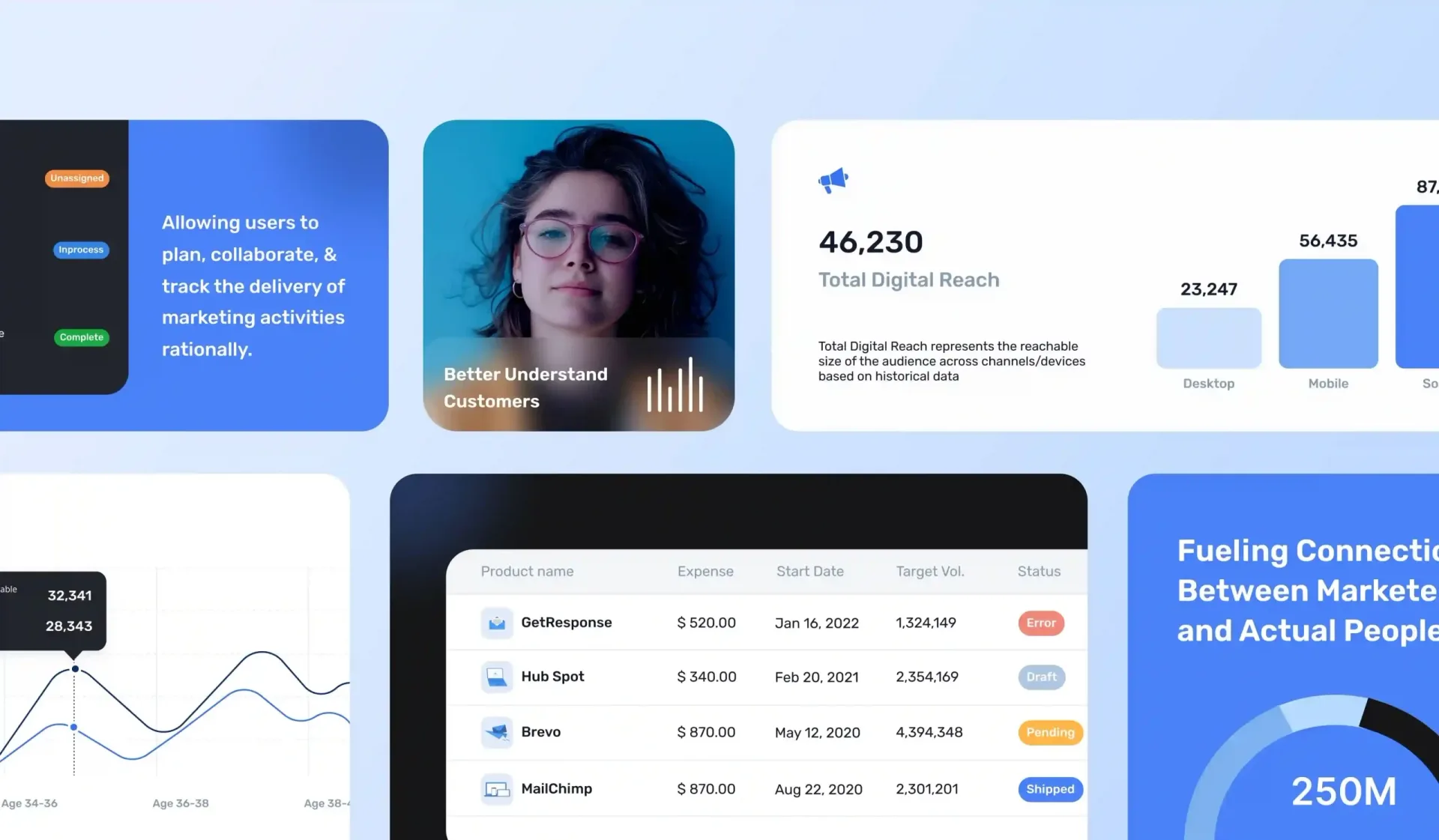 Mass Media Co.
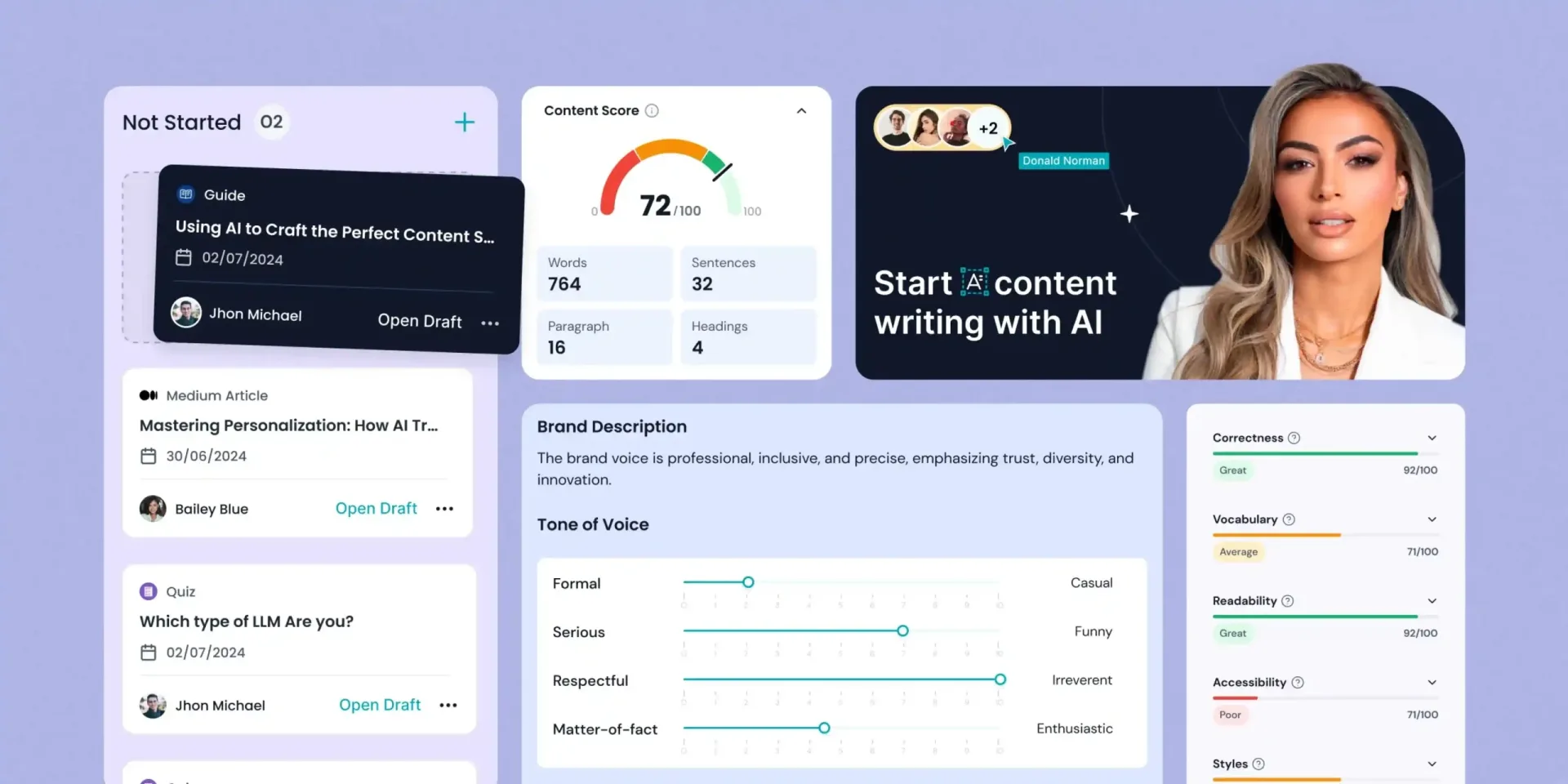 Vocable
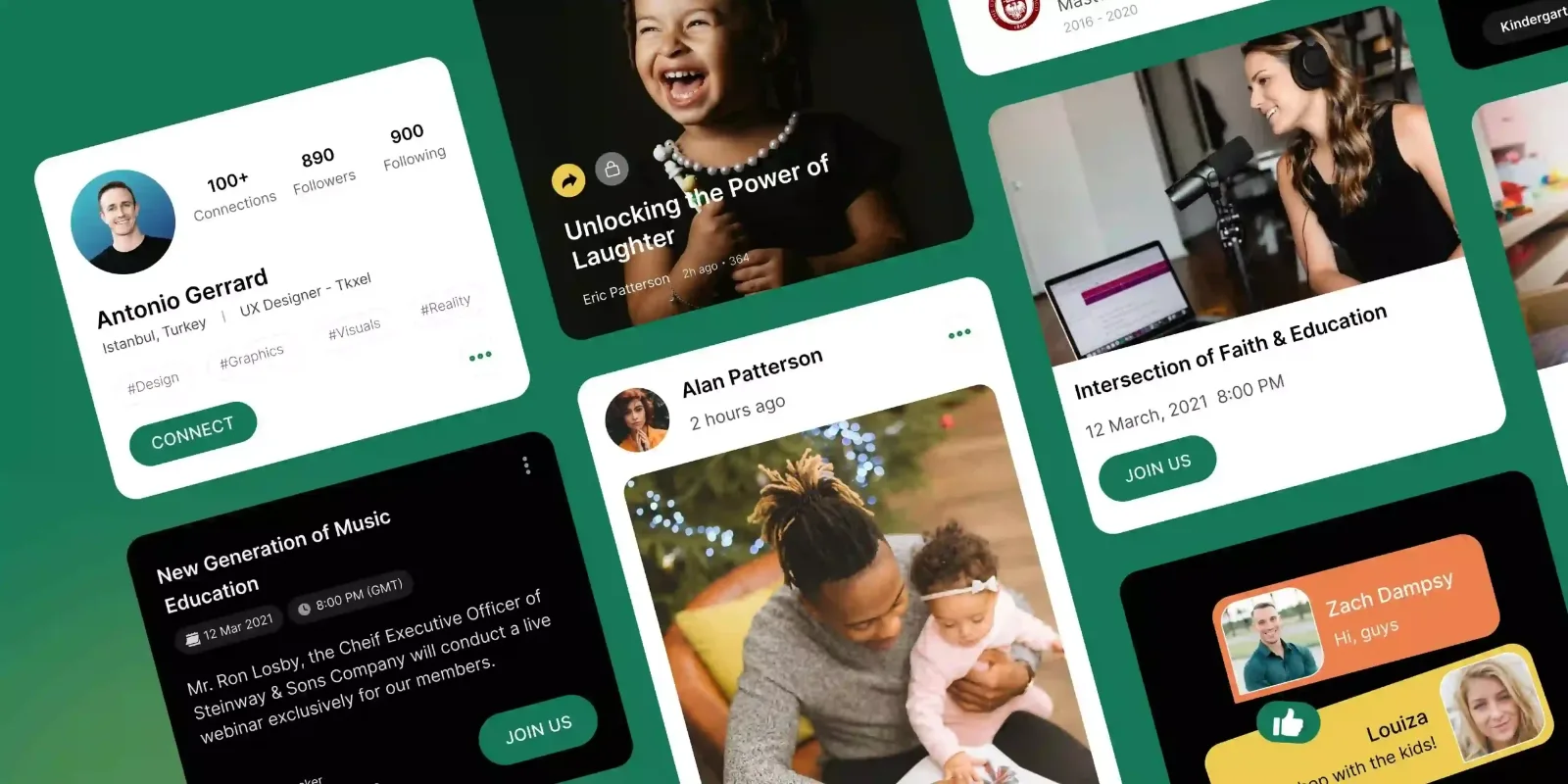 Parents Connect
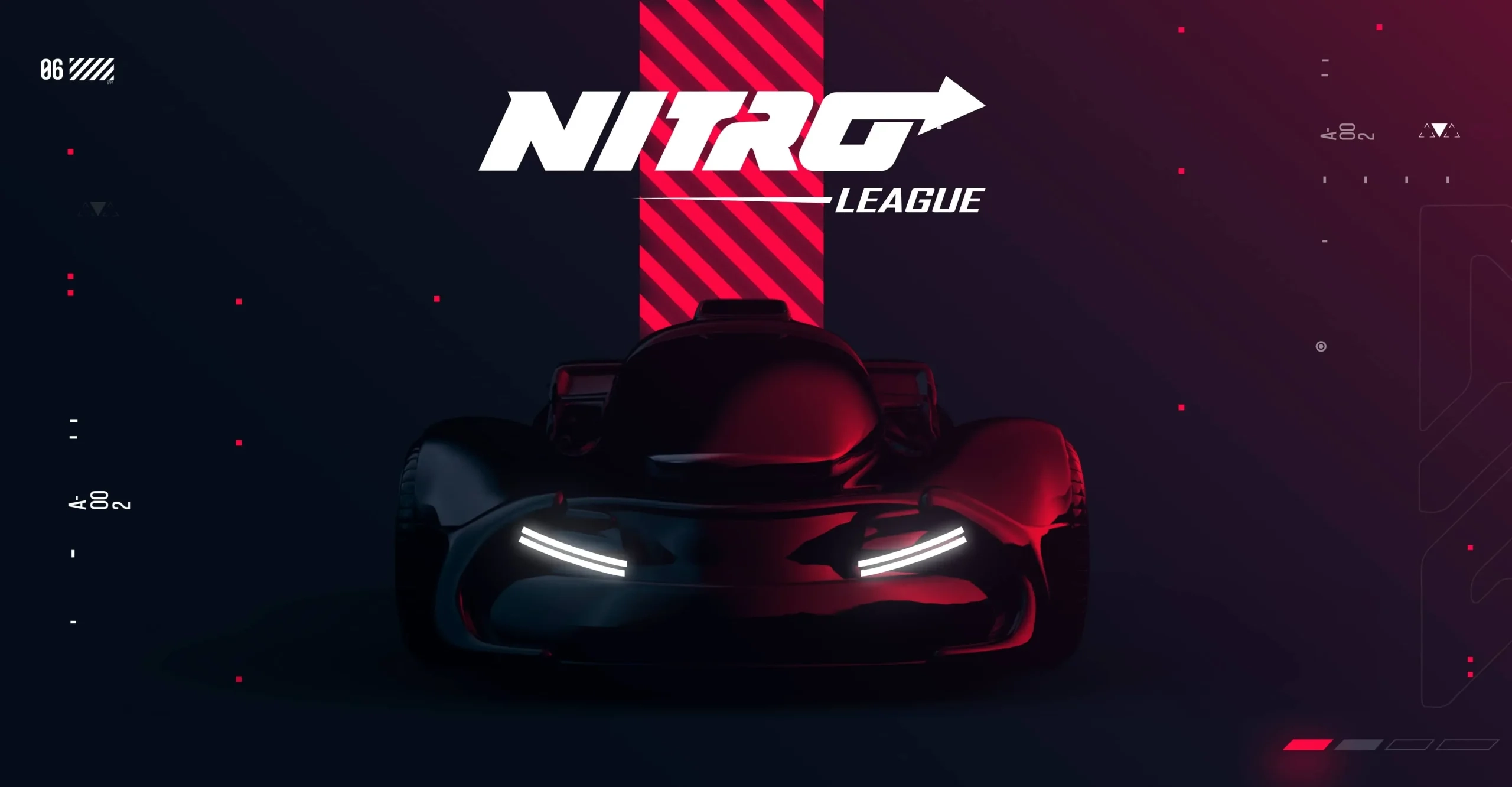 Nitro
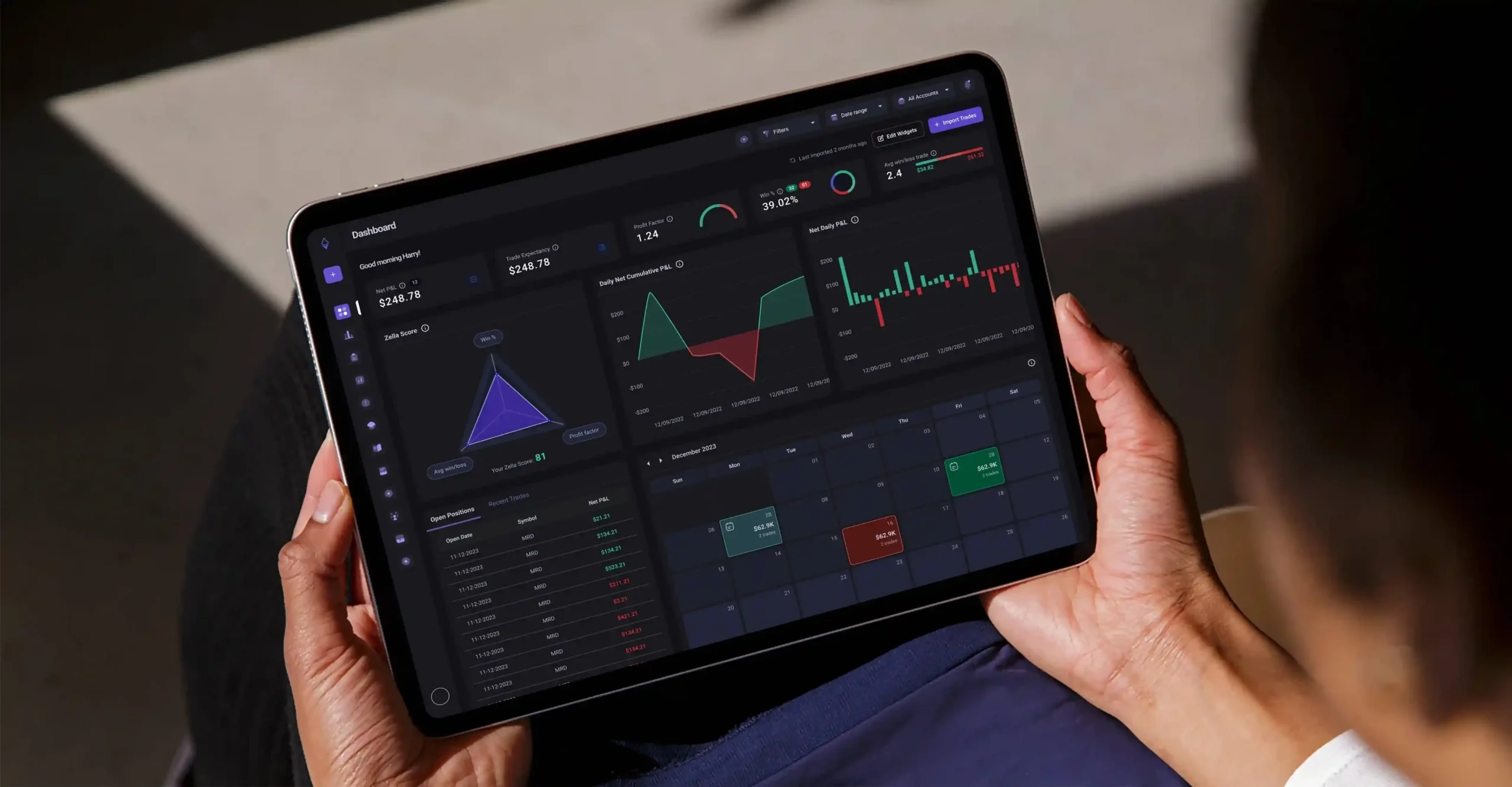 TradeZella
Startup UI UX design is design work sized to the funding stage of a company, from validating 1 problem at pre-seed to paying down design debt at Series B. Each stage brings a different decision-maker, deadline and definition of done.
A pre-seed team of 2 founders needs evidence that a problem exists; a Series B company needs consistent components across several squads. The fixed-scope MVP engagement is described on our UI UX design services for startups page; this page explains what design work each stage needs.
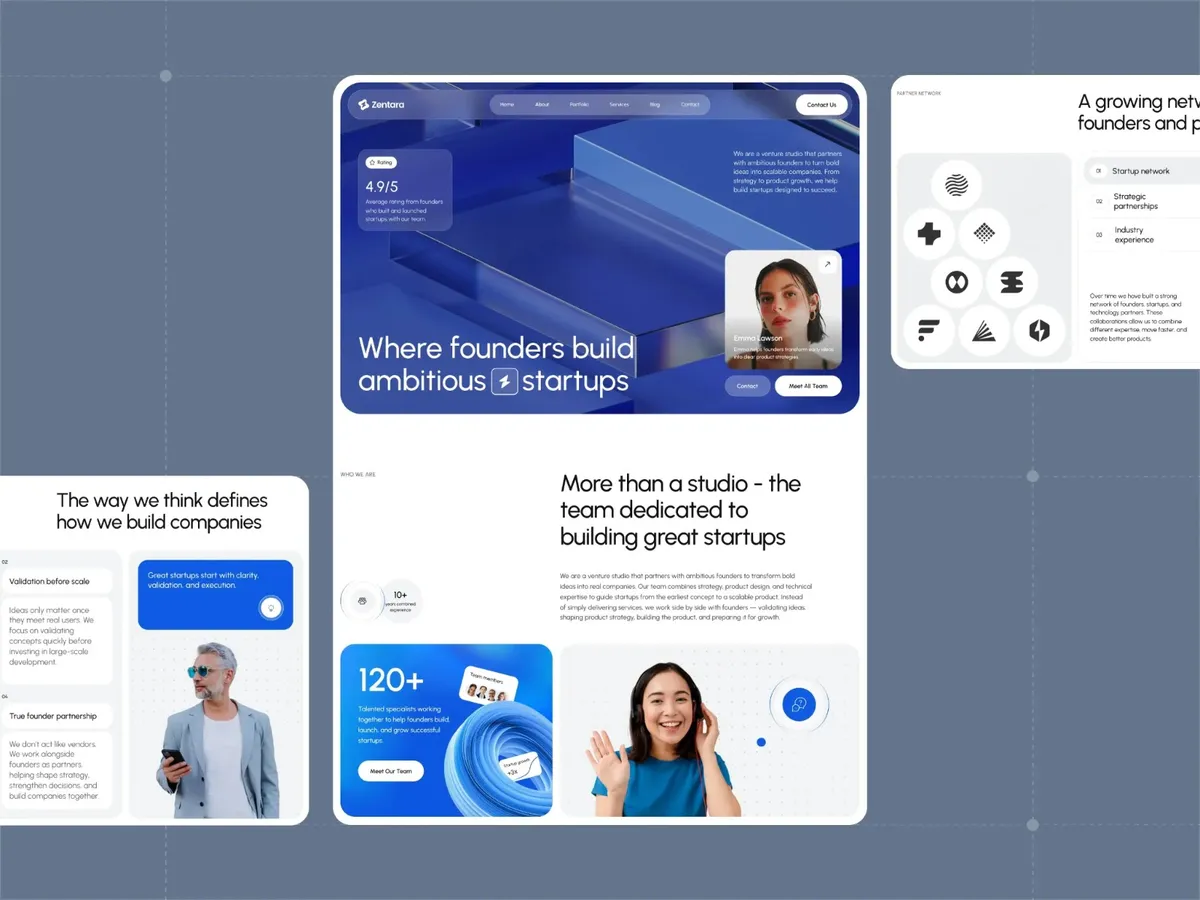
We design 6 types of startup products, each tied to a funding stage: validation prototypes, seed-stage MVPs, investor demo prototypes, AI-native products, 2-sided marketplaces and scaling platforms.
Pre-seed founders test 1 problem before hiring engineers, for example a 6-screen Figma prototype for discovery calls.
Seed teams ship the smallest product that delivers the core job, for example sign-up, 1 workflow and Stripe billing.
Founders raising a round show the vision beyond the live build, for example a clickable Series A pitch demo.
Products built on large language models need interfaces for corrections, for example a screen to accept, edit or reject each generated answer.
Marketplace startups design supply and demand sides at once, for example provider onboarding and customer booking tested together.
Series B companies consolidate screens built by different squads, for example 1 component set replacing 3 button styles.
4 UX challenges are specific to startups: limited founder time, a moving target user, design debt and investor scrutiny.
Founders split each week between fundraising, hiring and sales, so design reviews run as 2 fixed 45-minute sessions per week.
A pivot from small businesses to mid-market buyers changes persona and onboarding, so early designs stay low fidelity until interviews confirm the target user.
Engineers ship screens without a designer for 12–18 months, and by Series A the product carries duplicate components and untested flows.
Investors open the product during due diligence, so sign-up, empty states and the core action need the polish of the pitch deck.
Our startup design process takes 4–8 weeks (20–40 working days) and runs in 4 steps, with 2 founder reviews per week.
We review runway, live metrics and the next milestone, for example a seed round in 6 months, and agree the output that milestone needs.
Pre-seed teams get 5–8 problem interviews; seed and Series A teams get analytics reviews; Series B teams get a design debt inventory.
Designers produce the stage output in Figma: a validation prototype, MVP screens, an investor demo or a component library.
Founders approve final flows in 60 minutes, and developers receive Figma files sized to the next 2 sprints.
Startup UX designs under uncertainty about the user, market and runway; general product UX designs for a known user. Every startup design decision is judged against the next funding milestone.
| Criterion | Startup UX | General product UX |
|---|---|---|
| Users | Early adopters and an unconfirmed target user | Established user groups with usage history |
| Constraints and regulation | Runway, founder time and a small engineering team | Roadmap, legacy code and brand guidelines |
| Testing | 5 users per round on prototypes before code | A/B tests and usability tests on the live product |
| Accessibility | Web Content Accessibility Guidelines (WCAG) 2.2 AA built into the first components, before design debt grows | WCAG 2.2 AA retrofitted across existing screens |
| Success metrics | Activation, retention cohorts and product-market fit signals | Task success rate, conversion and satisfaction scores |
Startup design work costs $25,000–$60,000 for a 4–8 week engagement. The price depends on 4 factors: the funding stage, the number of platforms, the research depth and the output fidelity, from prototype to development-ready screens.
A pre-seed validation prototype with 5 interviews on 1 platform sits near $25,000. A Series B design debt cleanup with a component library across web and mobile sits near $60,000. Series B teams that need continuous capacity use an embedded team at $15,000–$40,000 per month.
5 standards and regulations shape startup UX:
Each option below draws on our core UI UX design services, from user research to usability testing, scoped to the users and workflows of your product.
Senior UX guidance, product reviews, and a prioritized roadmap your team can act on.
02Strategy, UX, UI, and validation from one team that stays through launch.
03Website UX and UI built around clear structure and conversion.
04Research-led UX and polished UI for iOS and Android apps.
05Native-feeling iPhone and iPad interfaces built on Apple's Human Interface Guidelines.
06Onboarding, core workflows, and admin UX that get users to value fast.
07Design sprints, MVPs, and investor-ready products built fast and validated.
Book a 45-minute UX audit session. We review your product and identify the top three friction points.
Book a UX auditThese answers cover the 5 questions founders ask most about design work at each funding stage.
Still have a question?
A design lead answers every message within one business day.
Talk to a design leadNo. A pre-seed startup needs problem interviews and a low-fidelity prototype more than polished UI, and visual design pays off once 5–8 target users confirm the problem.
No. Before Series A, starter tokens and core components cover the product; a full design system pays off at Series B, when 3 or more squads ship in parallel.
No. An MVP is the working product real users rely on today, while an investor demo is a clickable prototype of the next 2 releases a funding round pays for.
A startup needs to fix design debt before Series B, when inconsistent components slow every release and new engineers cannot find the correct pattern for a screen.
A startup design project takes 2–4 founder hours per week: 2 review sessions of 45 minutes plus answers to design questions in Figma comments within 1 working day.
Send us your project. A design lead reviews it and schedules a call within one business day. We sign an NDA before the first technical discussion if you prefer.