4–5 days
Compliance and scope review
We map PHI touchpoints, roles and whether the product meets the U.S. Food and Drug Administration (FDA) definition of a medical device.

Healthcare is our deepest vertical. The users range from ICU nurses on 12-hour shifts to elderly patients learning a tablet for the first time.





Get a free consultation
Free consultation · reply within one business day
In shortHealthcare UI UX design plans the user experience (UX) and user interface (UI) of software used by clinicians, patients and caregivers, for example patient portals, telehealth apps and clinical tools that run beside an electronic health record (EHR). Our full healthcare engagements take 8–16 weeks, cost $60,000–$180,000, and include consent flows that support Health Insurance Portability and Accountability Act (HIPAA) requirements and Web Content Accessibility Guidelines (WCAG) 2.2 checks.
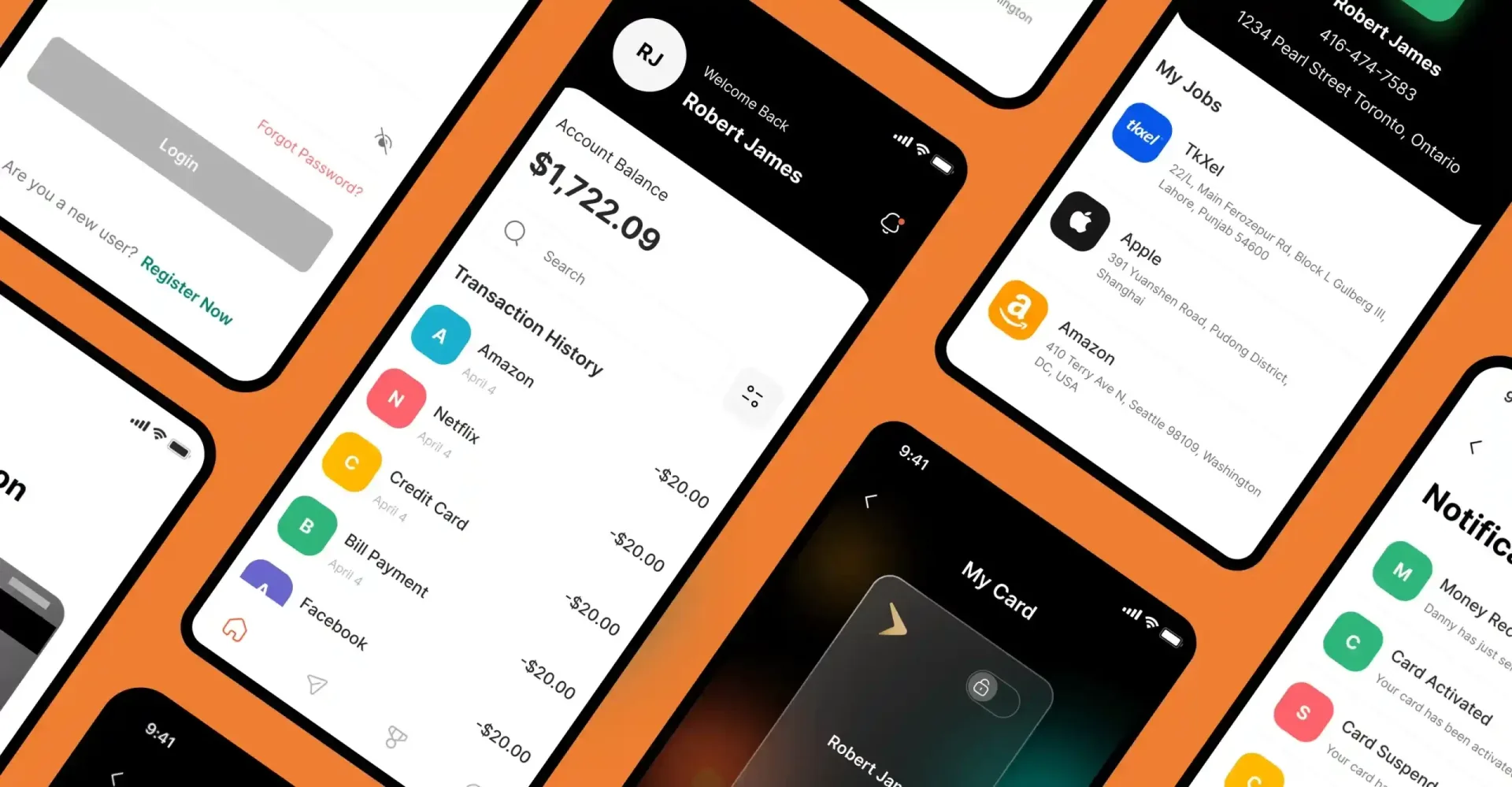 Anyday
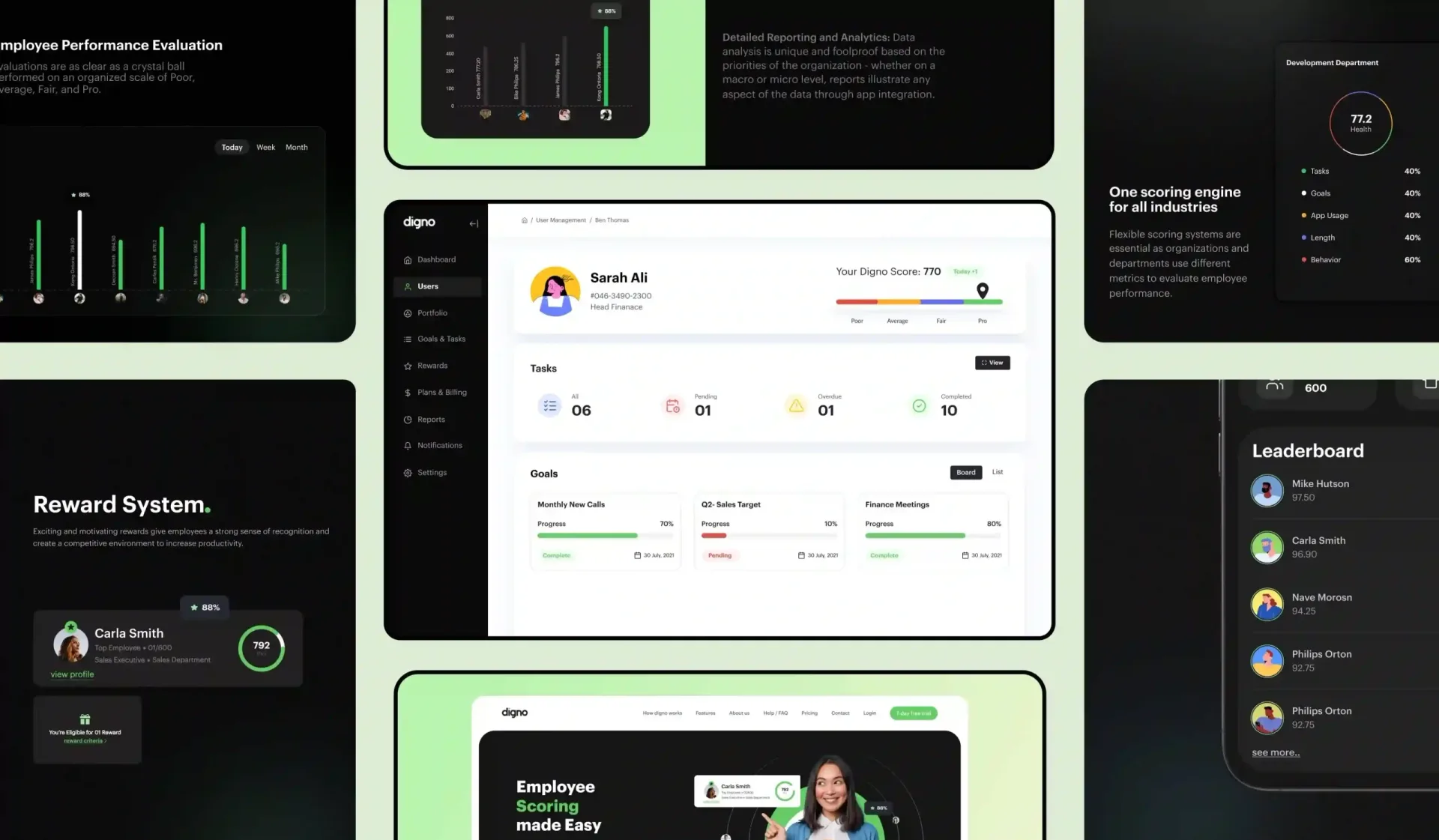 Digno
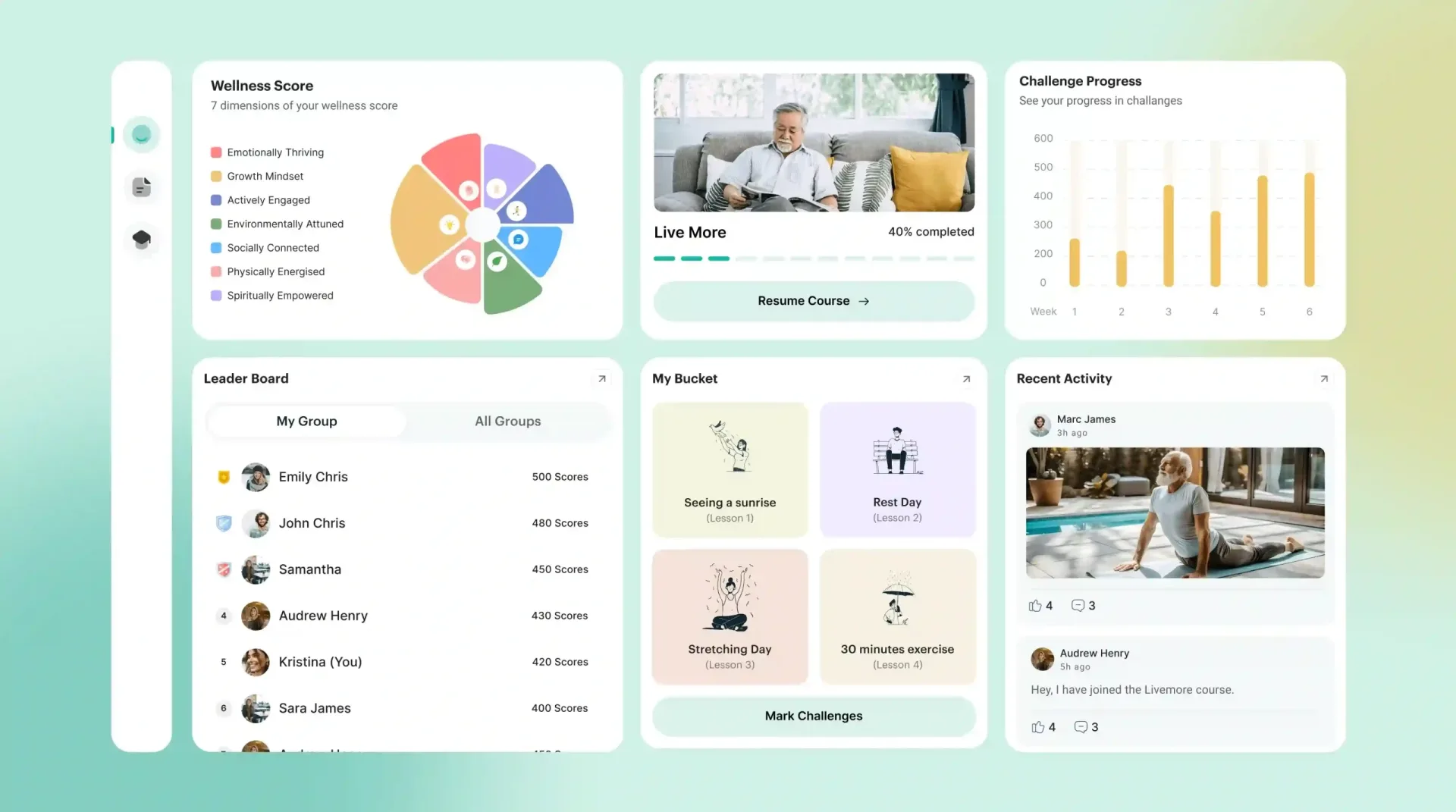 Elia Wellness
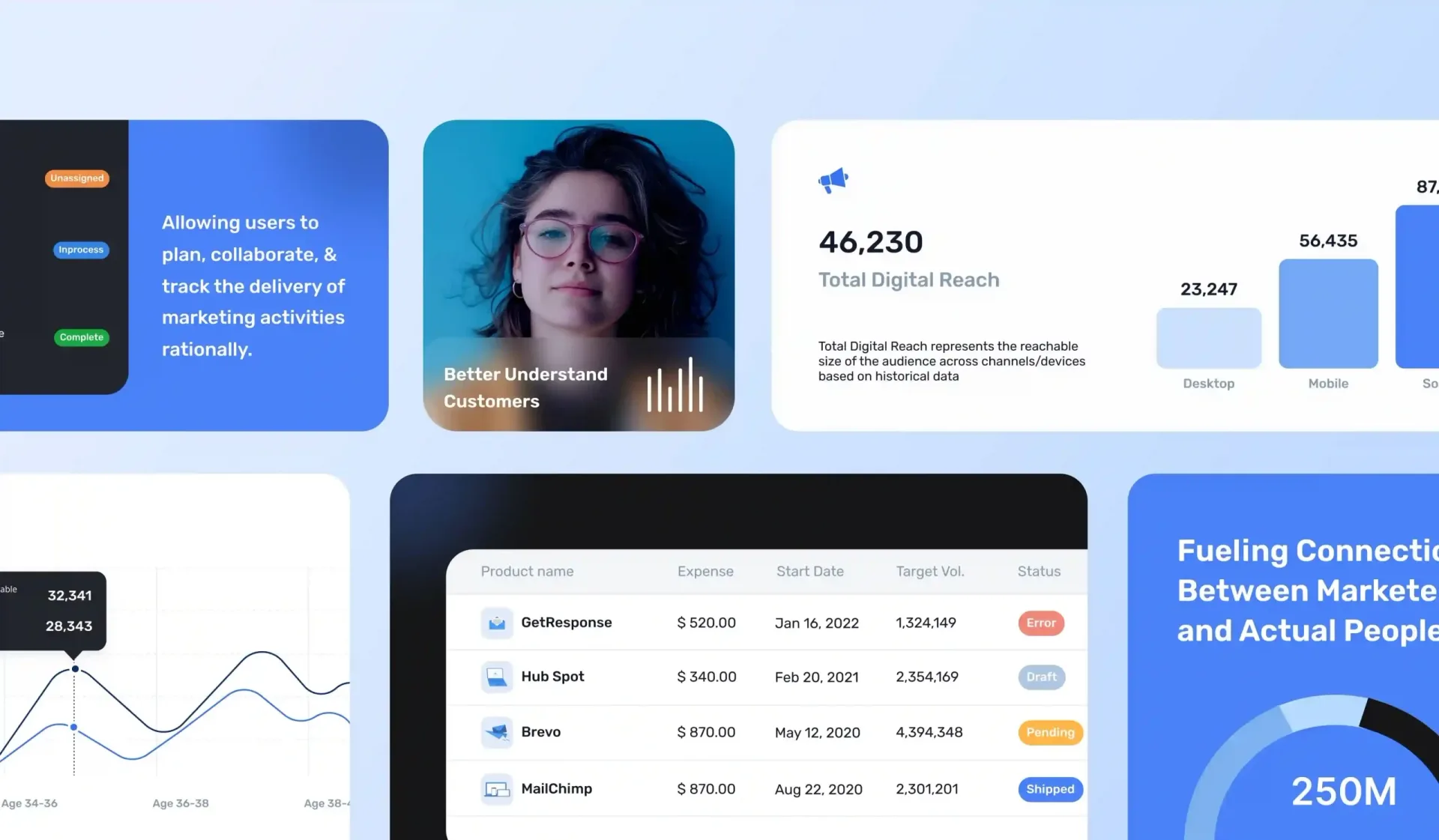 Mass Media Co.
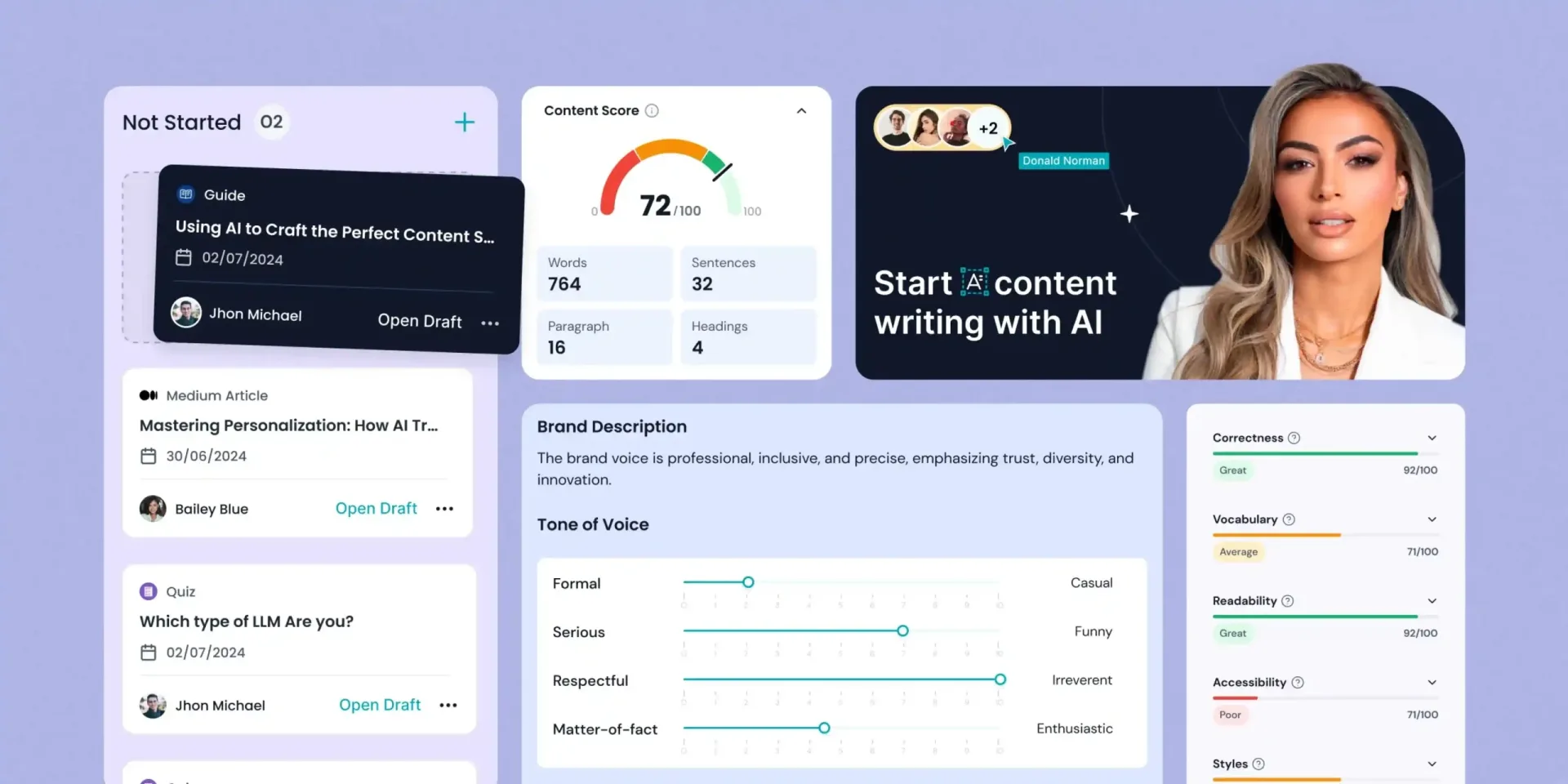 Vocable
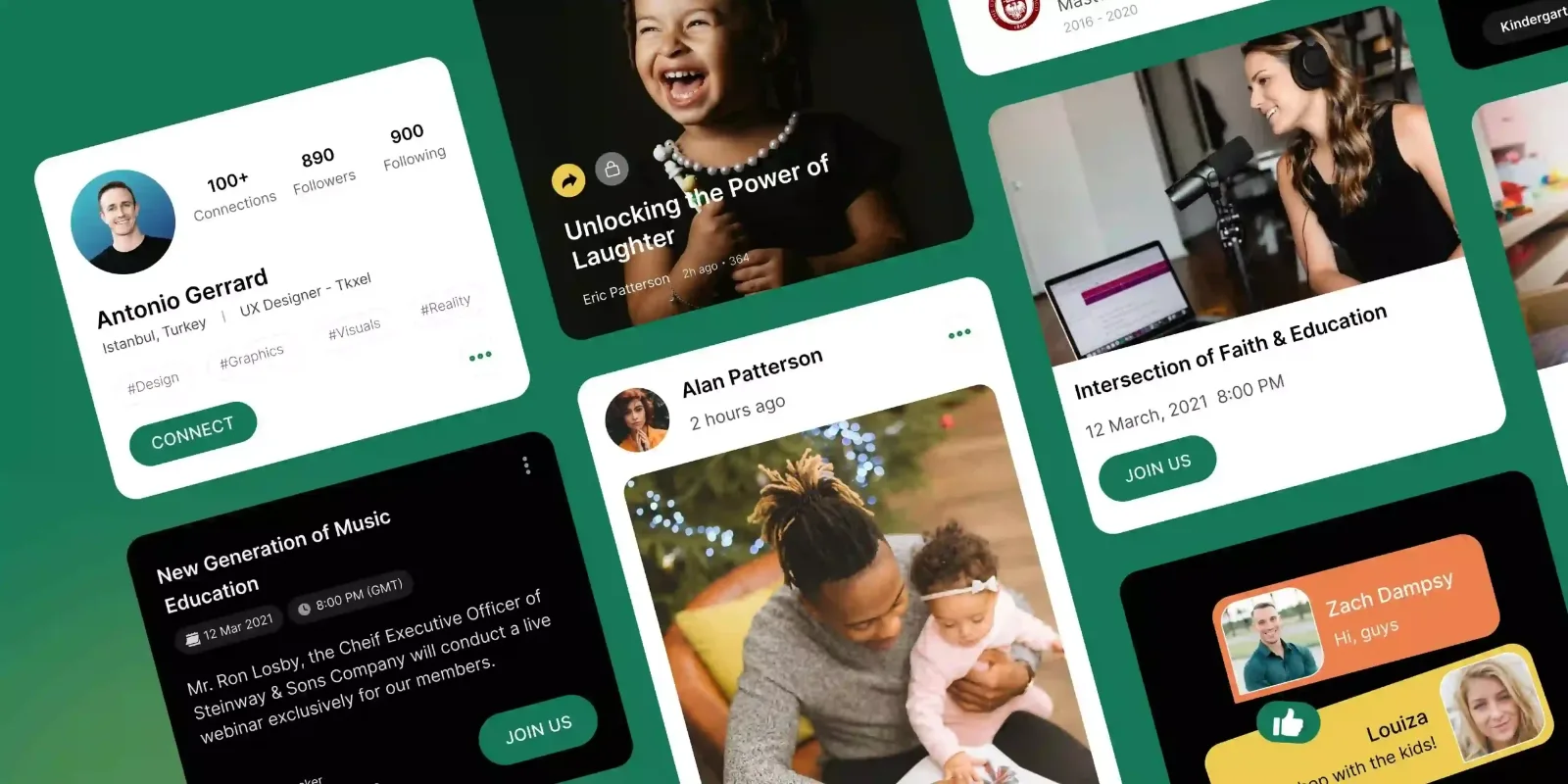 Parents Connect
 Nitro
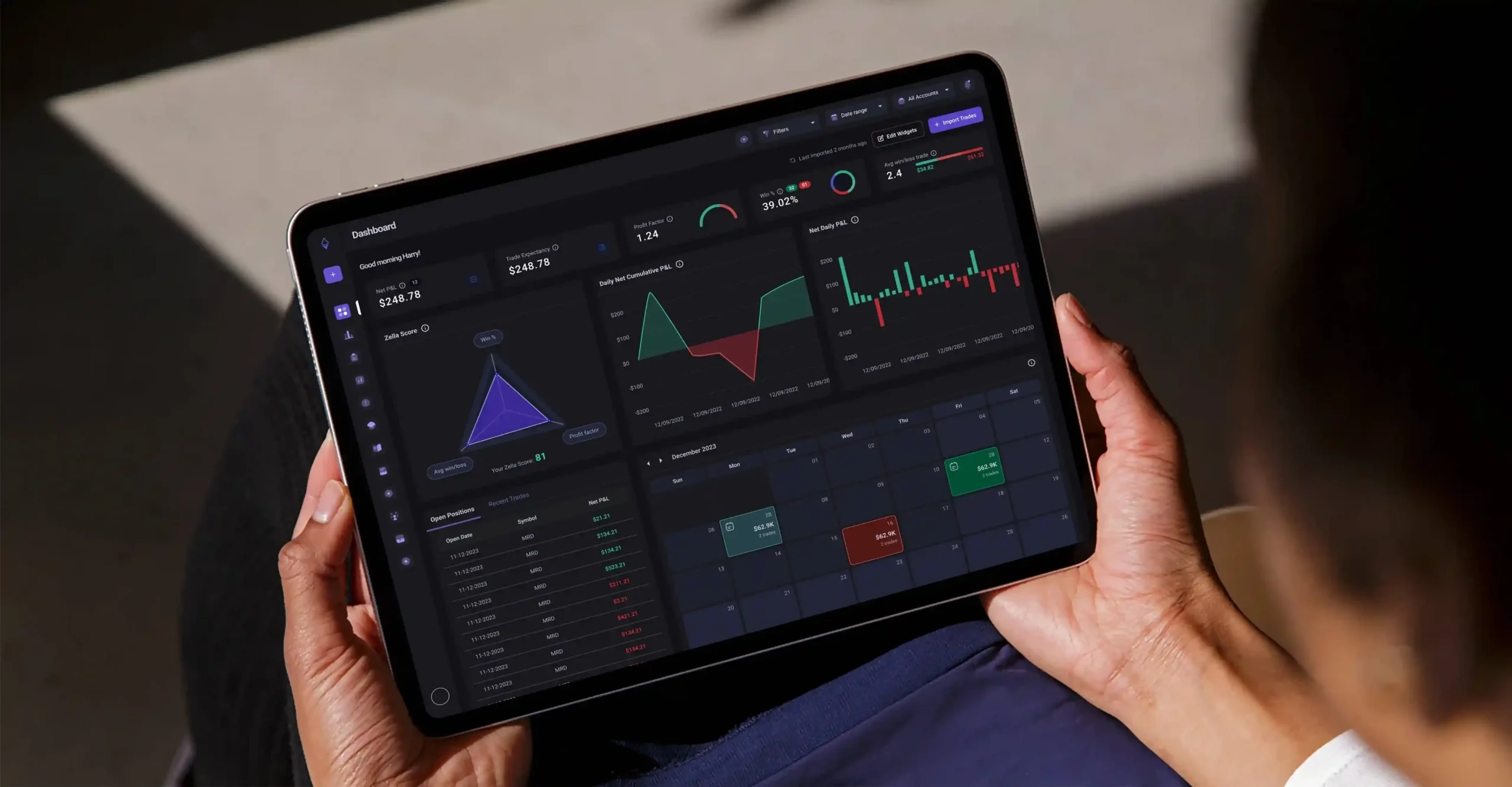 TradeZella
Healthcare UI UX design is the research, interaction design and visual design of software that clinicians, patients and caregivers use to deliver or receive care. The work covers clinical workflows, protected health information (PHI) display, consent and access for patients with low vision or low digital literacy.
A nurse switches between Epic or Oracle Health and a third-party tool many times per shift, so every added click lengthens documentation time. Patient products face first-time users and shared family devices. Clinician field studies follow our UX research services method.
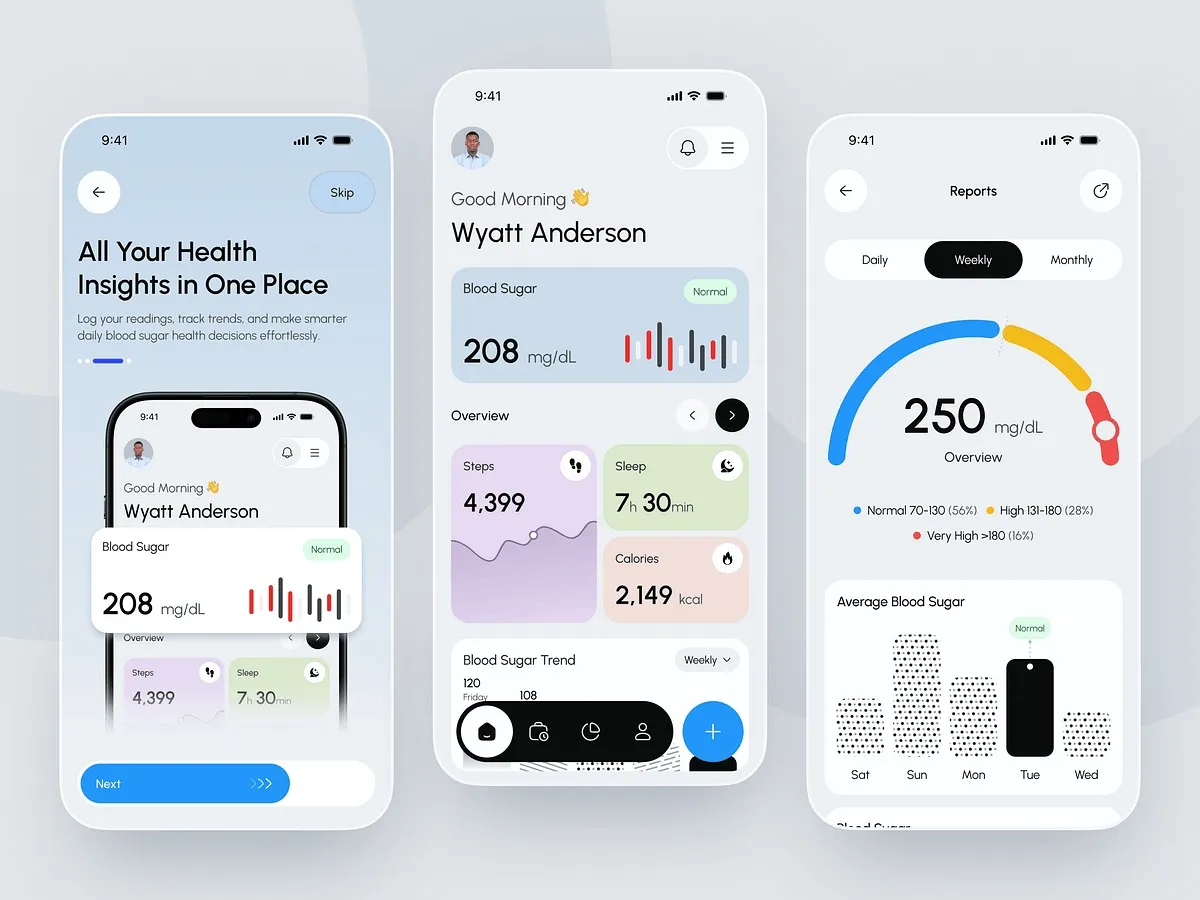
We design 5 types of healthcare products: patient portals, telehealth apps, EHR-adjacent clinical tools, nursing apps and software as a medical device (SaMD).
Patients view results, message care teams and manage proxy access for family members, for example a results page that explains a lab value in plain language.
Video visits need device checks, waiting rooms and interpreter joins, for example a camera test that runs before the provider is paged.
SMART on FHIR apps launch inside Epic or Oracle Health with the patient already in context, for example a sepsis risk panel embedded in the chart sidebar.
Handheld apps support medication administration, for example a barcode scan that confirms patient, drug, dose, route and time.
Apps that diagnose, treat or monitor a condition need a use-related risk analysis, for example an insulin dose calculator evaluated under International Electrotechnical Commission (IEC) 62366-1.
Healthcare UX faces 4 specific challenges: alert fatigue, PHI exposure, mixed digital literacy and incomplete interoperability data.
Clinicians learn to dismiss frequent low-value alerts, so alerts are tiered by severity and interruptive dialogs are reserved for drug–allergy and dose conflicts.
Workstations on wheels sit in public corridors, so screens mask identifiers, lock after inactivity and show the minimum necessary data per role.
Patient users include older adults, non-native English speakers and proxy caregivers, so flows use plain language at a 6th–8th grade reading level and a visible proxy switcher.
Health Level Seven (HL7) Fast Healthcare Interoperability Resources (FHIR) feeds arrive late, duplicated or partial, so designs show the source, timestamp and an explicit missing-value state.
Our healthcare design process takes 8–12 weeks (40–60 working days) and runs in 4 steps, from compliance scoping to handover.
We map PHI touchpoints, roles and whether the product meets the U.S. Food and Drug Administration (FDA) definition of a medical device.
Researchers shadow nurses and physicians and interview 8–12 patients and caregivers.
Designers map tasks against EHR workflows, then design role-based screens, alert tiers and consent flows.
Clinicians and patients complete critical tasks in a prototype, use errors are logged against the risk analysis, and screens are checked against WCAG 2.2 AA and Section 508.
Healthcare UX serves several regulated user groups and measures safe task completion; general product UX serves 1–2 personas and measures growth.
| Criterion | Healthcare UX | General product UX |
|---|---|---|
| Users | Clinicians, patients, caregivers and administrative staff | 1–2 primary personas |
| Constraints and regulation | HIPAA, Section 508 and FDA human factors guidance | Privacy policy and app store rules |
| Testing | Formative and summative tests on critical tasks | Task tests and A/B tests |
| Accessibility | WCAG 2.2 AA baseline for low vision, tremor and cognitive impairment | WCAG 2.2 AA where contracts or law require it |
| Success metrics | Task completion without use errors and documentation time | Activation, conversion and retention |
Related:usability testing servicesmobile app UI UX design services
A full healthcare product design with a design system costs $60,000–$180,000 over 8–16 weeks. The price depends on 4 factors: user roles, EHR integration depth, medical device status that triggers IEC 62366-1 documentation, and clinical site access for research.
A telehealth app with 2 roles and no device classification starts with a $25,000–$60,000 research and design sprint. A clinician platform with 4 roles, a SMART on FHIR launch inside Epic and summative usability testing sits near $180,000. Existing portals start with UX audit services at $5,000–$15,000.
5 standards and regulations shape healthcare UX: HIPAA, WCAG 2.2, Section 508, IEC 62366-1 and FDA human factors guidance.
Each option below draws on our core UI UX design services, from user research to usability testing, scoped to the users and workflows of your product.
Interviews, observation, journey maps, and Jobs-to-be-Done analysis that ground every design decision in evidence.
02Moderated studies, concept validation, and A/B testing that catch problems before they ship.
03Flows, micro-interactions, states, and motion that make every action clear.
04Research-led UX and polished UI for iOS and Android apps.
05Charts, interactive reports, and visual stories that make complex data clear.
Book a 45-minute UX audit session. We review your product and identify the top three friction points.
Book a UX auditThese answers cover 5 questions healthcare product teams ask before a design engagement.
Still have a question?
A design lead answers every message within one business day.
Talk to a design leadNo. HIPAA defines no official certification for agencies or software. We design PHI masking, consent flows and session timeouts that support HIPAA requirements, using synthetic patient data in prototypes.
Yes. SMART on FHIR apps launch inside Epic and Oracle Health with patient and user context, and embedded views are designed for EHR layout limits, for example narrow sidebar widths.
Yes. The 2024 Department of Health and Human Services (HHS) Section 504 rule requires recipients of HHS funding to meet WCAG 2.1 AA for websites and mobile apps. We design to WCAG 2.2 AA, which includes every 2.1 criterion.
Yes. Sessions recruit practising nurses, physicians and front-desk staff around shift schedules, remotely or in a simulation lab, with 5–8 clinicians per role in each formative round.
The core research, design and testing process takes 8–12 weeks, which equals 40–60 working days. A full engagement with a design system takes up to 16 weeks.
Send us your project. A design lead reviews it and schedules a call within one business day. We sign an NDA before the first technical discussion if you prefer.